Why women skip mammograms — and why annual mammograms matter
For many women, a mammogram is easy to put off. Life gets busy. Some women believe they’re not at risk, while others worry about discomfort or radiation exposure. For many, there’s simply a lack of understanding around how important annual mammogram screenings really are. But delaying a mammogram can mean delaying answers. And when it comes to breast cancer, timing matters.
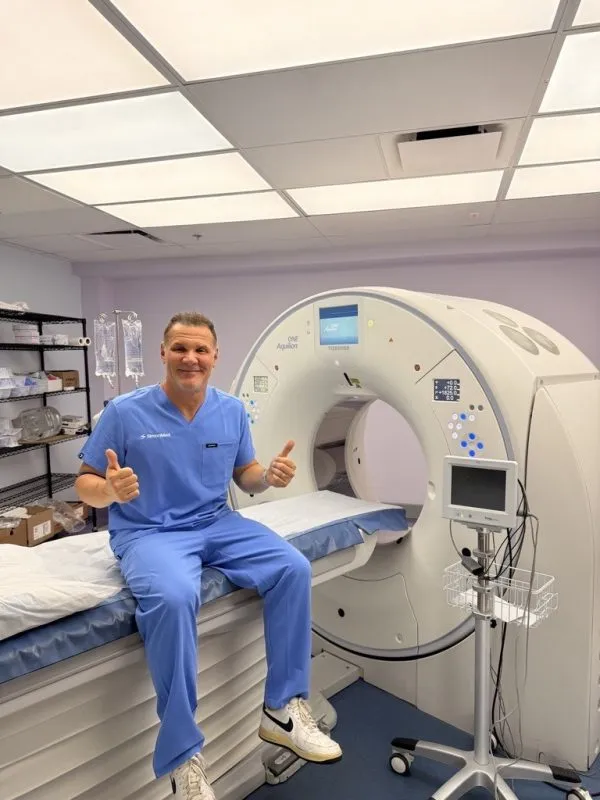
“Breast cancer is one of the most common cancers in the United States today,” says Dr. Sean Raj, Chief Medical Officer and Chief Innovation Officer at SimonMed. “One in eight women will be affected by breast cancer.”
The good news is that early detection changes outcomes.
“What is also a fact is that those that participate in screening mammography have a very high likelihood of catching their cancer much earlier,” Dr. Raj explains. “And when you catch breast cancer early, it is highly treatable.”
That’s the power of prevention: finding cancer before symptoms appear, before it spreads, and when treatment options are often simpler and more effective.
Why are women skipping mammograms?
According to Dr. Raj, the numbers are concerning: national statistics show that about half of women do not go in for their annual mammogram every year. A big reason is misinformation; many women believe they need a family history of breast cancer to be at risk, but that’s often not the case. In fact, most women who develop breast cancer have no family history at all.
That misconception can create a false sense of security. But breast cancer can affect women with no known risk factors, no symptoms, and no family history.
Breast density can also play a role in breast cancer risk and detection, making it important to understand whether you have dense breasts and what screening approach may be right for you.
That’s why routine screenings matter, even when you feel healthy.
Why annual mammograms matter for early detection
When breast cancer is found early, treatment is often more manageable. Tumors are typically smaller, less likely to have spread, and easier to treat successfully.
But missed screenings can change that trajectory. Delaying annual mammograms can allow cancers to grow larger and spread throughout the body, making treatment more difficult and outcomes less favorable.
That’s why annual mammograms are about more than detection. They’re about giving yourself more options, more time, and a better chance at successful treatment.
Early-stage cancers are easier to treat
The goal of screening is simple: find cancer when it’s still small.
Smaller cancers are often easier to remove surgically and may require less aggressive treatment. They’re also more likely to be treated successfully before spreading to other parts of the body.
Today’s imaging technology is helping radiologists detect cancers earlier than ever before.
“The technology has improved so much with catching cancer earlier and earlier,” Dr. Raj says.
At SimonMed, advanced imaging and AI-enhanced technology support earlier detection and clearer answers, helping patients take a more proactive approach to their health.
Are mammograms safe? Understanding radiation exposure
One of the most common concerns women have about mammograms is radiation exposure. But according to Dr. Raj, the amount of radiation involved is extremely low.
In fact, he compares it to something many people experience regularly.
“I would liken this to taking a transcontinental flight,” Dr. Raj explains. “The amount of radiation the breast receives is equivalent to taking a flight from California to New York.”
More importantly, decades of research continue to show that the benefits of mammography far outweigh the risks. Early detection through routine screening continues to save lives by finding cancers when they are most treatable.
When should women start annual mammograms?
For many women, another common question is: when should mammogram screening begin?
While recommendations may vary based on personal risk factors and medical history, annual mammograms are generally recommended beginning at age 40 for women at average risk. Women with a family history of breast cancer, dense breasts, or other risk factors may benefit from earlier screening.
“The most important thing is talking with your doctor about what screening plan makes sense for you,” Dr. Raj says.
Routine breast cancer screening is one of the most effective tools for detecting cancer early, often before symptoms appear, when treatment may be simpler and outcomes are more favorable.
A 15-minute mammogram could change everything
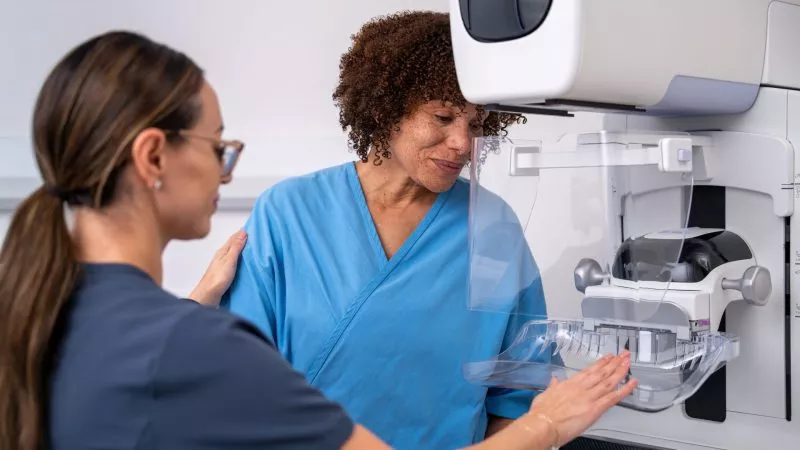
For many women, a mammogram takes less than 15 minutes, but that small window of time can have a life-changing impact.
“A 15 minute mammogram could be the difference between life and death for some women,” Dr. Raj says.
Screenings are not about fear, they’re about empowerment. They’re about having information early enough to act on it. When you know sooner, you have more opportunities to protect your health, your future, and the life you want to keep living.
Want to hear more from Dr. Sean Raj? Listen to Episode 2 of More Life for Living: Why Women Skip Mammograms — and What They Need to Know, where he breaks down common mammogram myths, dense breasts, radiation concerns, and why early detection matters.
Ready to schedule your annual mammogram? SimonMed offers advanced 3D mammography with AI-enhanced technology designed to support earlier detection and faster answers. Find a location or schedule your screening today.
Frequently asked questions about mammograms
How often should women get a mammogram?
Most women should begin annual mammogram screening at age 40, though recommendations may vary based on risk factors and physician guidance.
Do you need a family history of breast cancer to be at risk?
No. Many women diagnosed with breast cancer have no family history.
Are mammograms safe?
Yes. Mammograms use very low-dose radiation, and the benefits of early detection far outweigh the risks.
How long does a mammogram take?
Most mammograms take about 15 minutes.