Chronic pain with no answers? What if something just hasn’t been seen yet
You’ve been told everything looks normal.
Your tests came back clear. Nothing concerning showed up. And yet—you’re still in pain.
At some point, the question starts to shift:
If nothing is wrong… why does it still hurt?
For many people living with chronic pain, this is where frustration turns into doubt. Not just about the diagnosis, but about their own experience.
If this sounds familiar, you’re not alone. And you’re not imagining it.
Navigate to:
- The problem: when what you feel doesn’t match what’s found
- The gap: why standard testing can miss what matters
- What changes when you can actually see more
- How chronic pain actually shows up—and what may be behind it
- A different way to approach unresolved pain
- When it may be time to look deeper
The problem: when what you feel doesn’t match what’s found
Chronic pain affects an estimated 50 million Americans. But for many, getting a clear answer takes years.
Not because the pain isn’t real—but because it isn’t always visible.
Pain can come from muscles, nerves, organs, joints, or multiple systems at once. Symptoms overlap. Conditions present differently. And in many cases, the source of pain is subtle, deep, or spread across the body.
So patients go through the cycle:
More appointments. More tests. More “normal” results.
But no real explanation.
The gap: why standard testing can miss what matters
Most routine testing is designed to detect obvious or localized issues.
But chronic pain doesn’t always work that way.
Some conditions involve small structural changes. Others affect soft tissue or nerve pathways that aren’t easily captured. And when symptoms span multiple areas, testing one region at a time can miss the bigger picture.
This creates a gap:
You feel something is wrong—but nothing clearly shows why.
What changes when you can actually see more
This is where advanced imaging offers a different kind of clarity.
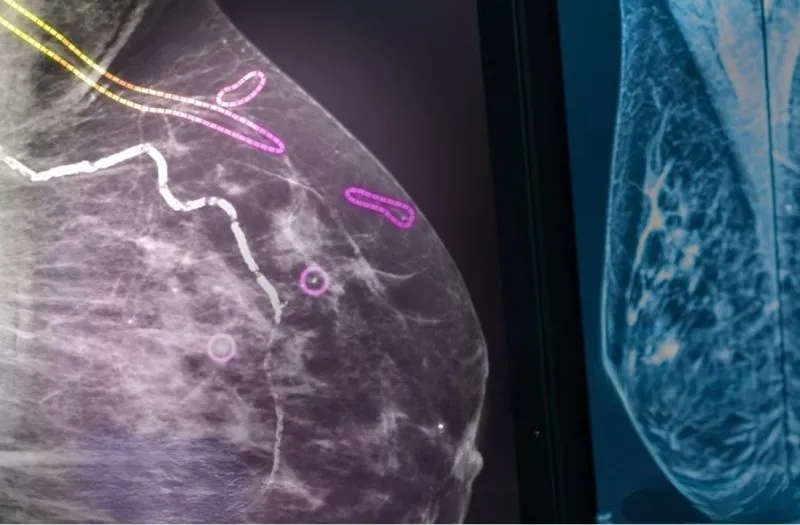
MRI (magnetic resonance imaging) provides detailed views of soft tissue, nerves, joints, and organs—without radiation. It allows physicians to see what may not appear on standard tests.
It’s not just about more imaging.
It’s about visibility.
For many patients, this is the first time something aligns—what they’ve been feeling and what can finally be seen.
How chronic pain actually shows up—and what may be behind it
Instead of a single diagnosis, chronic pain is often experienced in patterns. Understanding those patterns can help uncover what’s been missed.
Pelvic pain without clear answers
Ongoing pelvic pain is often misunderstood or delayed in diagnosis. Conditions like endometriosis, adenomyosis, or pelvic floor dysfunction can take years to identify.
These conditions don’t always show up clearly in routine exams. But advanced pelvic MRI can detect subtle tissue growth, structural changes, or organ support issues that may explain persistent pain.
Pain that affects multiple areas of the body
When pain isn’t isolated—when it shows up in your back, joints, muscles, or even different systems—it becomes harder to pinpoint.
This type of pain may be linked to inflammatory conditions, autoimmune diseases, or musculoskeletal issues that aren’t fully captured through isolated testing.
MRI can evaluate inflammation, joint damage, disc issues, and soft tissue changes across different areas—helping connect symptoms that may seem unrelated.
Sharp, burning, or nerve-related pain
Some pain is harder to describe.
It may feel sharp, radiating, or constant. It may come and go without a clear trigger. And it’s often dismissed when standard imaging doesn’t show anything obvious.
But nerve-related pain—such as pudendal neuralgia—can stem from irritation, compression, or structural changes along nerve pathways.
Advanced MRI neurography can help visualize those pathways and identify issues that are otherwise difficult to detect.
Persistent headaches or neurological symptoms
Chronic migraines or neurological symptoms can be especially frustrating when there’s no clear cause.
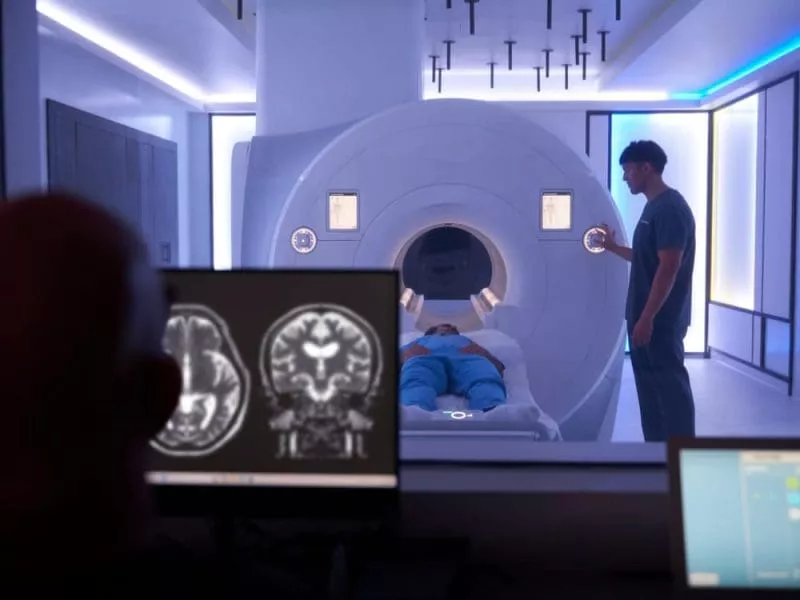
Brain MRI allows physicians to evaluate brain structures and rule out underlying abnormalities—offering either reassurance or direction for further care.
Internal discomfort that’s hard to explain
Conditions like interstitial cystitis or bladder-related pain often present with ongoing discomfort and few clear answers.
Pelvic MRI or related imaging can provide insight into bladder and surrounding structures, helping physicians better understand what may be contributing to symptoms.
A different way to approach unresolved pain
When pain affects multiple areas—or when previous testing hasn’t provided answers—looking at one part of the body at a time may not be enough.
This is where Whole-Body MRI represents a shift.
Instead of asking, “Where does it hurt?”
It asks, “What might we be missing?”
Whole-Body MRI provides a comprehensive view of your organs, spine, joints, and soft tissues in one scan.
It can help:
- Identify issues across multiple systems
- Detect inflammation or structural changes
- Highlight areas that need further evaluation
- Provide reassurance when nothing serious is found
For patients who feel like they’ve been searching without clarity, this broader view can change the direction of their care.
You’re not imagining it—and there may be more to uncover
Living with unexplained pain can be exhausting.
Not just physically—but mentally.
Being told everything looks normal doesn’t always mean everything is understood. Many patients spend years navigating uncertainty before finally identifying a possible cause.
And when they do, it often brings something they haven’t had in a long time:
Clarity.
If something doesn’t feel right, it’s worth continuing to explore.
When it may be time to look deeper
You may want to consider advanced imaging if:
- Pain has lasted longer than three months
- Symptoms affect multiple areas of your body
- Previous testing hasn’t provided answers
- Pain is impacting your daily life
- You feel like something is being missed
If you’ve been living with pain without answers, it may be time to see more
You know your body.
If something hasn’t added up, it may not be because nothing is wrong—it may be because it hasn’t been fully seen yet.
Advanced imaging, including Whole-Body MRI, can provide a more complete view of what’s happening inside your body.
And for many patients, that’s where the path forward finally begins.