Most people don’t think about their health until something forces their attention. A symptom appears, energy changes, a doctor orders tests to figure out what’s wrong. That’s how healthcare has traditionally worked: react first, investigate later.
But today, advances in imaging, AI, and preventive health are changing what’s possible. More people are beginning to take a proactive approach to their health, looking for earlier insight, clearer answers, and more control over their future wellbeing.
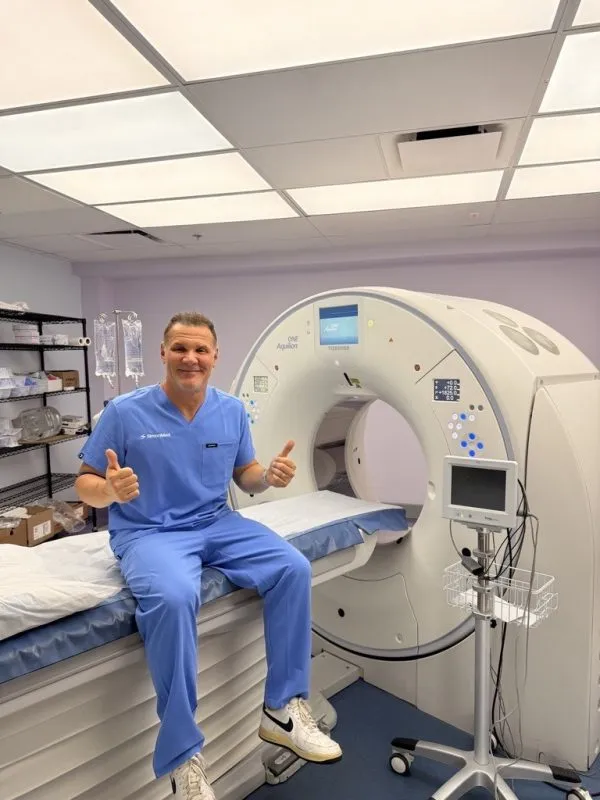
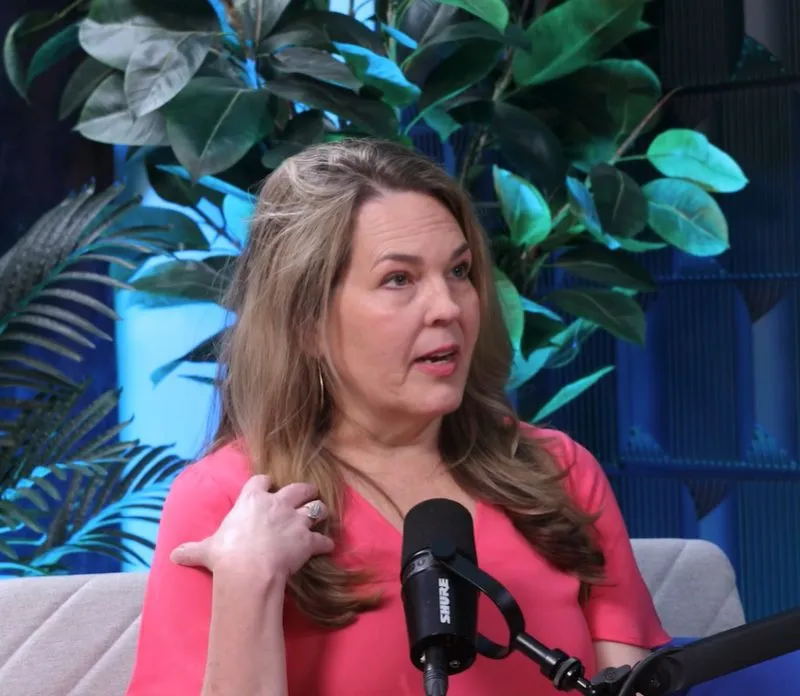
On a recent podcast episode, Dr. John Simon, Founder and CEO of SimonMed, shared why he believes healthcare is entering a new era, one focused not just on treating illness, but on helping people live healthier, longer lives.
“Many serious conditions develop silently over time,” Dr. Simon explained. “The earlier we understand what’s happening in the body, the more opportunities we have to make meaningful changes.”
The conversation explored a growing shift in healthcare: moving from reactive care to proactive care, where earlier insight can help people make more informed decisions before serious disease develops.
Health is more than how you feel
Feeling healthy and being healthy are not always the same thing.
Heart disease, metabolic dysfunction, cognitive decline, osteoporosis, and certain cancers can develop quietly for years before symptoms appear. By the time problems become noticeable, treatment options may be more limited and outcomes more difficult.
That’s why prevention matters.
Earlier insight gives patients and physicians more time to act, more options to explore, and more opportunities to improve long-term outcomes.
“We’re learning that many of the biggest health risks people face begin long before symptoms appear,” Dr. Simon said during the episode. “The goal is to identify risk sooner, so patients can take action earlier.”
This shift is changing the way more people think about health. Instead of waiting for problems to arise, they’re looking for ways to better understand what’s happening inside their bodies now.
The goal isn’t just living longer
One of the biggest themes from the conversation was the idea of healthspan.
Lifespan refers to how long someone lives. Healthspan refers to how long they stay healthy, active, independent, and mentally sharp throughout those years.
Modern medicine has made enormous progress in extending lifespan. But the next frontier is helping people maintain quality of life for longer. A longer life means more when those extra years are healthy ones.
That means protecting mobility, cognitive function, cardiovascular health, energy levels, and overall wellbeing for as long as possible. But maintaining healthspan starts earlier than many people realize.
Your Body Changes Earlier Than You Think
Many changes associated with aging begin gradually in your 30s and 40s, even when you still feel healthy. Muscle mass, bone density, cardiovascular health, and metabolic function can shift quietly over time, often long before symptoms appear.
Those changes may not immediately affect day-to-day life, but over time they can influence energy, mobility, heart health, cognitive function, and overall resilience as people age.
Because many of these changes happen gradually, they’re often difficult to recognize in real time. That’s one reason more people are seeking ways to better understand their health earlier and establish a baseline they can track over time.
Earlier insight creates more opportunities
When people better understand their health earlier, they’re often able to make more proactive choices about what comes next. For some people, that may mean improving nutrition, exercise, sleep, or stress management. For others, it may mean monitoring cardiovascular risk, cognitive health, or metabolic function more closely with their physicians.
Advanced imaging and AI-enhanced diagnostics are helping make those conversations more informed than ever before.
“These technologies give us the ability to recognize patterns and detect potential issues earlier,” Dr. Simon explained. “That earlier insight can help patients and physicians make better decisions together.”
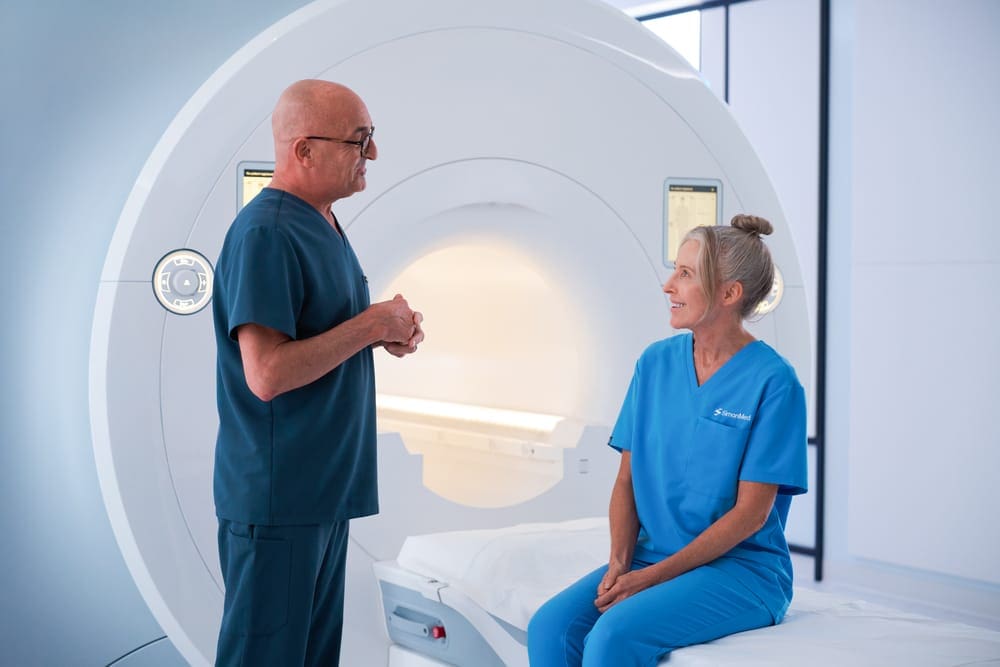
Today, technologies like whole-body MRI, advanced cardiovascular imaging, wearable health monitoring, and AI-assisted diagnostics are helping create a more complete picture of health.
No single scan or test can predict the future. But establishing a clearer understanding of your health today can help guide smarter decisions for tomorrow.
Prevention is about the whole person
Another major theme from the conversation was the importance of looking at health holistically.
The body doesn’t operate as isolated systems. Cardiovascular health influences brain health, metabolic health impacts energy, inflammation, and long-term disease risk. Strength and mobility affect independence and quality of life as people age.
That’s why preventive health is becoming more connected and more personalized. Instead of focusing only on treating individual conditions, healthcare is increasingly focused on helping people better understand the full picture of their health before major problems emerge.
This is where advanced imaging and AI-enhanced diagnostics are creating new possibilities. By helping physicians detect subtle changes earlier and more precisely, these technologies can support more proactive, personalized care.
Taking a more active role in your health
One of the biggest shifts happening in healthcare is that patients are becoming more active participants in their own wellbeing.
That doesn’t mean replacing physicians or trying to self-diagnose. It means asking questions, understanding risk factors, and paying closer attention to long-term health rather than waiting for symptoms to appear.
As more tools become available to help people better understand what’s happening inside their bodies, prevention becomes less about reacting to problems and more about making informed decisions earlier.
A more proactive future for health
Healthcare is entering a new era. One where patients have more access to information, more advanced technologies, and more opportunities to take control of their health earlier.
A proactive approach to health isn’t about fear or over testing. It’s about awareness. It’s about understanding your body earlier, identifying potential risks sooner, and creating more opportunities to stay healthy, active, and well for years to come. Because the goal isn’t simply to live longer, it’s to enjoy more years of healthy living.
Want to dive deeper?
Watch or listen to the full conversation with Dr. John Simon on the SimonMed podcast for more on proactive health, longevity, and the future of prevention.