When it comes to breast cancer screening, one question comes up again and again: Are mammograms safe?
For many women, concerns about radiation exposure can create hesitation around scheduling a mammogram. Some worry that repeated screenings could increase their cancer risk. Others wonder how much radiation is actually involved.
The good news is that mammograms have been studied extensively for decades, and the evidence is clear: mammograms are a safe and effective tool for detecting breast cancer early, often before symptoms appear. Early detection remains one of the most important factors in successful treatment outcomes.
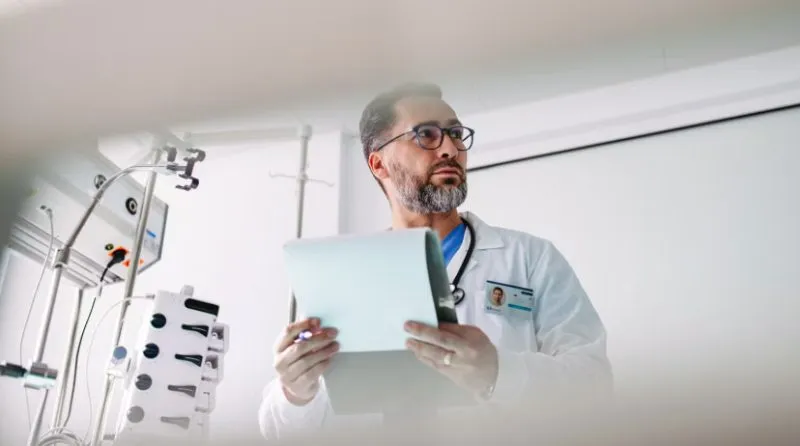
According to Dr. Sean Raj, Chief Medical Officer and Chief Innovation Officer at SimonMed, concerns about mammogram safety are common but often based on misconceptions about the level of radiation involved.
More importantly, decades of research show that the benefits of detecting breast cancer early far outweigh the minimal risks associated with mammogram radiation.
For women aged 40 and older, annual mammograms remain one of the most effective ways to identify breast cancer at its earliest and most treatable stages.
How much radiation is in a mammogram?
One of the most common questions patients ask is, “How much radiation is in a mammogram?”
The answer may surprise you — the amount of radiation from a mammogram is very low. In fact, Dr. Raj compares the exposure to something many people experience regularly.
“The amount of radiation the breast receives is equivalent to taking a flight from California to New York.”
In other words, the radiation exposure from a mammogram is similar to the background radiation you’re naturally exposed to during a transcontinental flight. Understanding how little radiation is involved can help put mammogram safety into perspective and reassure women who may be delaying screening due to radiation concerns.
Is mammogram radiation dangerous?
While any exposure to radiation carries a theoretical risk, the mammogram radiation risk is considered extremely low. Modern mammography systems are designed to use the lowest radiation dose possible while still producing high-quality images.
For most women, the risk of an undetected breast cancer is far greater than the risk associated with mammogram radiation.
Breast cancer affects approximately one in eight women during their lifetime. Screening mammography helps identify cancers before they can be felt or cause symptoms, giving patients more treatment options and improving outcomes.
When healthcare providers evaluate risk versus benefit, routine mammography remains strongly recommended because it saves lives through earlier detection.
Mammogram myths vs. facts
Misinformation is one reason many women delay breast cancer screening. Let’s separate a few common mammogram myths from the facts.
Myth: Mammograms cause cancer because of radiation.
Fact: The radiation from mammograms is extremely low. Research consistently shows that the benefits of screening greatly outweigh any potential radiation-related risks.
Myth: I only need a mammogram if breast cancer runs in my family.
Fact: Most women diagnosed with breast cancer have no family history of the disease. Screening is important even if you don’t have known risk factors.
Myth: If I don’t have symptoms, I don’t need a mammogram.
Fact: Mammograms are designed to find cancer before symptoms develop. That’s what makes screening so powerful.
Myth: One mammogram is enough.
Fact: Annual screening helps detect changes that may develop over time. Regular mammograms provide the best opportunity for early detection.
Why the benefits of mammograms outweigh the risks
The primary goal of mammography is simple: Find breast cancer as early as possible.
When cancer is detected early, it is often smaller, easier to treat, and less likely to have spread beyond the breast. Early detection can lead to less aggressive treatment and significantly better outcomes.
For many women, a mammogram takes less than 15 minutes. That brief appointment can provide answers, peace of mind, and potentially life-saving information.
The evidence is clear: Mammogram safety has been extensively studied, and the benefits of routine screening continue to far outweigh the minimal radiation exposure involved.
The bottom line on mammogram safety
If you’ve been asking yourself, “Are mammograms safe?”, the answer is YES.
The amount of radiation from mammograms is very low, modern imaging technology continues to improve safety and accuracy, and routine screening remains one of the most effective tools for early breast cancer detection.
Putting off a mammogram because of radiation concerns could mean missing the opportunity to detect cancer when it’s most treatable.
Want to hear more from Dr. Sean Raj? Listen to Episode 2 of More Life for Living, where he explains dense breasts, mammogram myths, and what women should know about breast cancer screening.
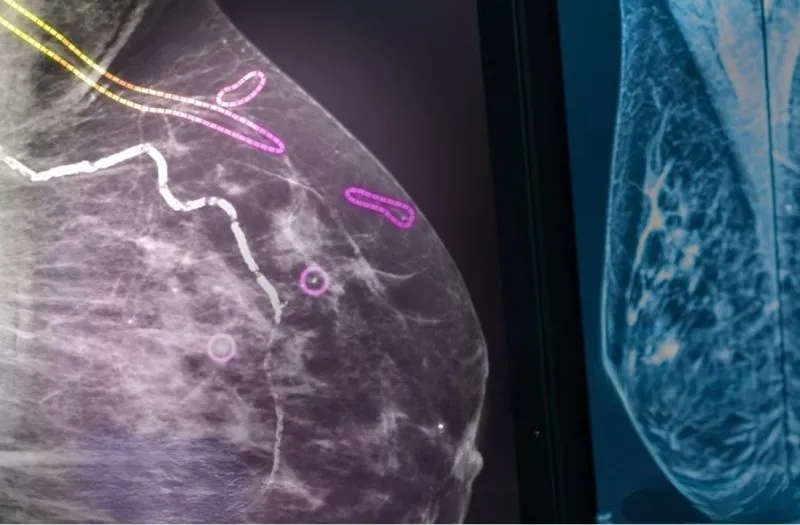
Ready to stop putting off your mammogram? SimonMed offers advanced 3D mammography with AI-enhanced technology designed to support earlier detection and clearer answers, interpreted by expert subspecialty-trained radiologists focused on breast imaging. Find a location or schedule your mammogram today.