Artificial intelligence is changing medical imaging—but its role isn’t to replace the radiologist. It’s to give radiologists another tool to help identify subtle findings, analyze images in new ways and uncover additional information that may support patient care.
That can be especially meaningful when a finding is difficult to see.
AI + human expertise
Medical images can contain an enormous amount of information. AI tools can analyze those images and help draw attention to patterns or findings that may be subtle to the human eye.
The radiologist remains at the center of the process. AI provides additional information, but the radiologist brings the clinical training, experience and judgment needed to interpret the exam and make the clinical decision.
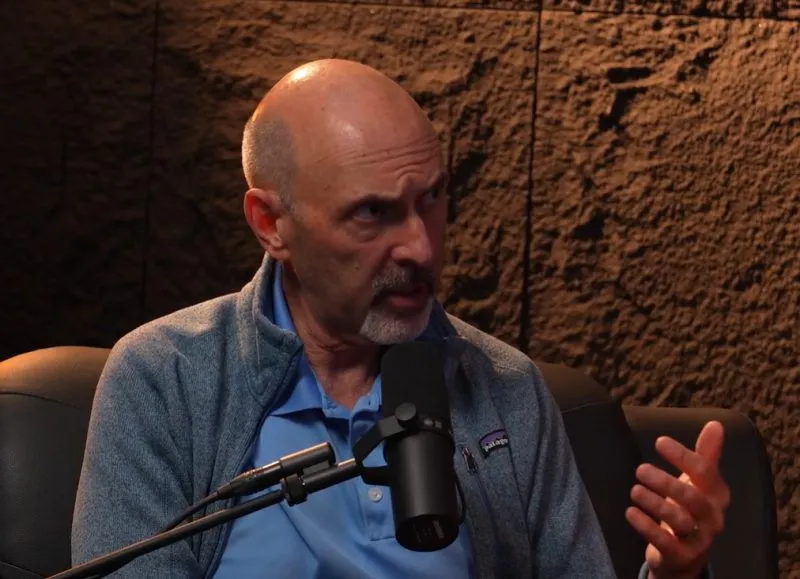
As Dr. Sean Raj, Chief Medical Officer and Chief Innovation Officer at SimonMed, explains:
AI does not replace radiologists. It helps them perform better.
A real example in breast cancer screening
For one SimonMed patient, that combination of technology and human expertise had a meaningful impact.
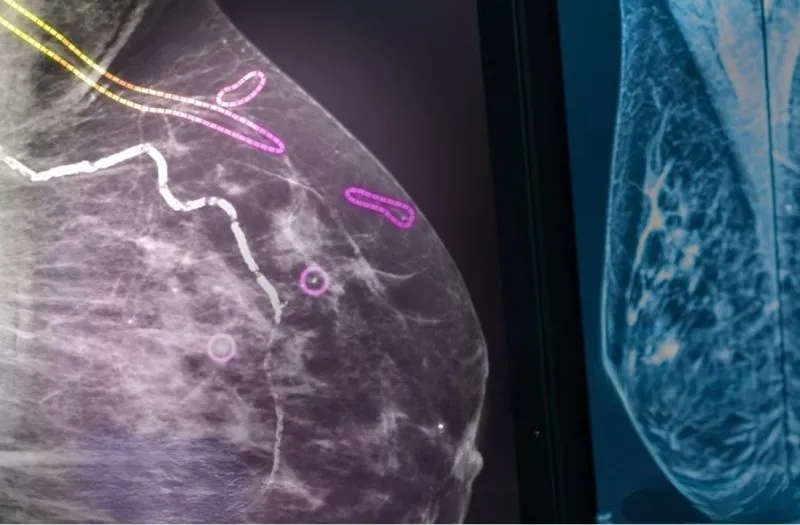
She came in without symptoms for a routine breast cancer screening. Her mammogram showed an extremely subtle area that blended into the surrounding breast tissue and could have been difficult to identify.
AI helped draw attention to the finding. The radiologist evaluated the images and recommended additional diagnostic imaging. Follow-up ultimately identified small, early-stage breast cancers, allowing her to begin treatment while the cancers were still small and treatable.
Her experience illustrates why AI can be such a valuable addition to medical imaging: it can provide another layer of information for the radiologist while keeping physician expertise at the center of care.
AI is included with every SimonMed 3D screening mammogram.
The technology works alongside our subspecialty radiologists, providing an additional layer of analysis to help identify subtle findings.
More information from the images we already capture
The potential of AI extends beyond identifying individual findings.
Depending on the type of exam and technology being used, AI can also help extract additional health information from medical images—creating opportunities to better understand areas such as bone health, cardiovascular risk and other aspects of a patient’s health.
That means an imaging exam may increasingly provide insights beyond the original reason a patient came in.
The goal is not technology for technology’s sake. It is to use advanced imaging and AI to help physicians and patients have more information to make informed decisions about health.
See AI + human expertise in action
Hear from Dr. Sean Raj as he shares how AI and a SimonMed radiologist worked together to identify a subtle finding during a routine breast cancer screening—and why AI is designed to support radiologists, not replace them.