Many people assume a heart attack comes with warning signs.
Chest pain. Shortness of breath. Fatigue. Something that signals a problem before a serious event occurs. But heart disease doesn’t always work that way.
In many cases, plaque can build up inside the arteries for decades without causing noticeable symptoms. Heart disease remains the leading cause of death for both men and women, yet many people don’t know they have it until a serious event occurs.
A person may exercise regularly, maintain a healthy weight, eat well, and feel completely healthy while plaque continues to build inside their coronary arteries.
According to cardiac imaging specialist Dr. Christopher Maroules on the More Life for Living podcast, that’s because heart disease is often silent. Plaque can continue accumulating for years without causing symptoms, making it difficult to recognize until it has progressed. That’s why understanding silent heart disease is so important. The absence of symptoms doesn’t always mean the absence of disease.
How can someone feel healthy and still have a heart attack?
Heart disease often develops slowly over many years.
The process begins when cholesterol and other substances accumulate within the walls of the arteries that supply blood to the heart. Over time, these deposits trigger inflammation and form plaque.
Many people don’t experience symptoms during plaque buildup because blood flow to the heart remains adequate, even while disease is progressing. Eventually, a blood clot can form and suddenly block blood flow to the heart muscle, causing a heart attack.
This is why heart disease without symptoms is so common; the disease may be present long before traditional heart attack symptoms appear.
Who is most at risk for silent heart disease?
Anyone can develop heart disease, but certain factors increase risk.
Common risk factors include:
- Family history of heart disease
- High cholesterol
- High blood pressure
- Diabetes
- Smoking history
- Obesity
- Physical inactivity
- Men age 45 or older
- Women after menopause
Risk factors don’t always tell the whole story.
Some people with multiple risk factors never develop significant plaque buildup. Others with seemingly normal health profiles can still have coronary artery disease. Risk factors are important, but they’re still estimates. They tell you how likely you are to develop heart disease—not whether plaque is actually present in your arteries today.
That’s why many healthcare providers are increasingly focused on identifying actual plaque, rather than relying solely on risk estimates.
What is plaque and why doesn’t it cause symptoms?
Plaque is a buildup of cholesterol, inflammatory cells, calcium, and other substances within the walls of arteries.
Not all plaque behaves the same way. Some plaque becomes calcified and relatively stable, while other forms may be softer and more prone to rupture.
The challenge is that plaque buildup in arteries often causes no symptoms until blood flow becomes severely restricted or a plaque rupture triggers a heart attack. By the time symptoms do appear, heart disease may already be advanced.
Are cholesterol tests and blood pressure checks enough?
Cholesterol tests and blood pressure screenings are important tools for assessing cardiovascular risk, however, they don’t directly show whether plaque is present inside your coronary arteries. Someone can have elevated cholesterol and little plaque; another individual with normal cholesterol levels can still develop heart disease.
Risk factors help estimate the likelihood of cardiovascular disease, but they don’t reveal exactly what’s happening inside your arteries.
That’s why imaging tests have become increasingly important in preventive heart screening—they can provide a more direct look at whether plaque is actually present and how extensive it may be. Learn how preventive cardiac screening can help you better understand your heart health.
Coronary calcium score vs. CCTA: What’s the difference?
Both a coronary calcium score and a coronary CT angiography (CCTA) scan can provide valuable information about heart health, but they serve different purposes.
A coronary calcium score measures calcified plaque within the coronary arteries. It provides a snapshot of existing calcium deposits and can help estimate cardiovascular risk.
A CCTA scan goes further.
Rather than only measuring calcium, coronary CT angiography creates detailed images of the coronary arteries themselves. This allows physicians to evaluate:
- The presence of plaque
- The amount of plaque
- Whether arteries are narrowing
- The characteristics of different plaque types
Because CCTA can visualize both calcified and non-calcified plaque, it offers a more comprehensive picture of coronary artery disease.
What does a CCTA scan actually show?
A CCTA scan uses advanced CT imaging to create detailed, three-dimensional images of the heart and coronary arteries.
Unlike traditional risk assessments, CCTA allows physicians to directly visualize plaque buildup in arteries. In many cases, CCTA can identify coronary artery disease before symptoms even develop.
Advanced AI plaque analysis can further evaluate plaque characteristics, helping identify higher-risk plaque that may need closer attention. This more personalized view of cardiovascular health can help guide conversations about lifestyle changes, medications, and other preventive strategies.
Why heart disease is often overlooked in women
Heart disease in women remains one of the most underrecognized health concerns.
Many people still associate heart attacks with severe chest pain. While women can experience chest pain, they are more likely to report symptoms such as:
- Fatigue
- Nausea
- Back pain
- Neck pain
- Shortness of breath
- Generalized discomfort
These symptoms can be subtle, and may not immediately be recognized as signs of heart disease. As a result, heart attack symptoms in women are sometimes overlooked or attributed to other conditions.
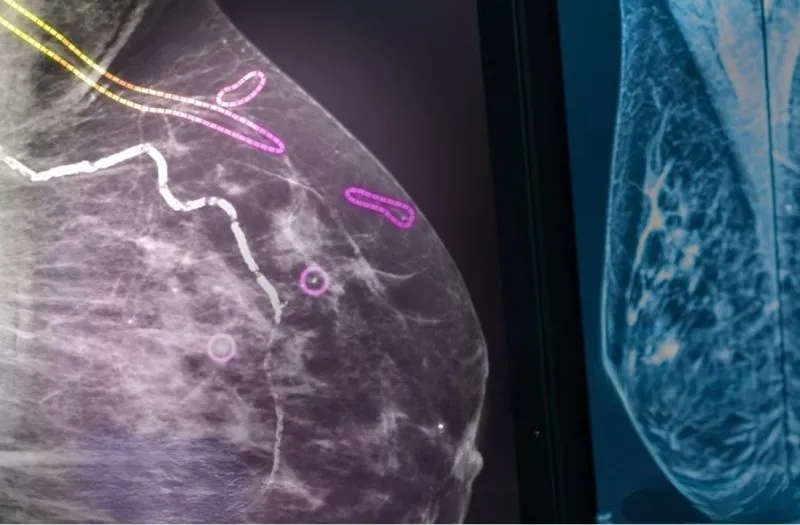
In some women, breast arterial calcification (BAC) identified on a screening mammogram may provide an additional clue that cardiovascular risk should be discussed with a healthcare provider. While BAC is not a diagnosis of heart disease, it may be a valuable opportunity to consider further cardiovascular evaluation and preventive care.
Why prevention starts before symptoms appear
Coronary artery disease can develop quietly for years, often without obvious warning signs. Proactive heart screening can help identify plaque and better understand your cardiovascular risk earlier—when there may be more opportunities to take action.
A clearer view of your heart health can support more informed decisions about lifestyle, treatment and long-term prevention.
SimonMed Cardiovascular Longevity combines CCTA with AI plaque analysis, 25+ biomarkers and personalized guidance from a preventive cardiologist to provide a more complete picture of your heart health—even if you feel well.
Currently available at select SimonMed locations in California.