If you’ve ever received a mammogram report that mentions dense breasts, you may have wondered what that actually means.
Many women are surprised to learn they have dense breast tissue, and even more are unsure whether it affects their health. The reality is that breast density is common, and understanding it can help you make more informed decisions about breast cancer screening.
Here’s what you need to know about breast density, cancer risk, and screening recommendations.
What are dense breasts?
Breasts are made up of different types of tissue, including fatty tissue, fibrous tissue, and glandular tissue. When a woman has more fibrous and glandular tissue than fatty tissue, her breasts are considered dense.
Breast density is not something you can determine by touch or appearance. The only way to know whether you have dense breast tissue is through a mammogram.
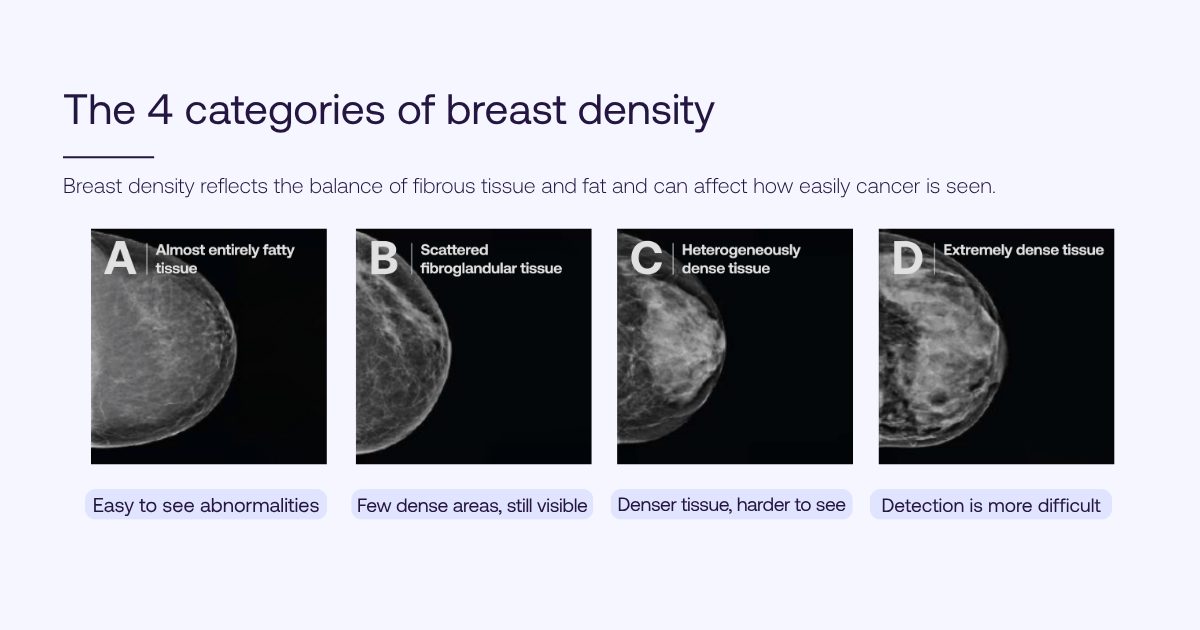
Radiologists classify breast density into four categories, ranging from mostly fatty tissue to extremely dense tissue. Women in the higher-density categories are considered to have dense breasts.
Do dense breasts increase breast cancer risk?
One of the most common questions women ask is: Do dense breasts increase cancer risk?
The answer is yes.
Women with dense breast tissue generally have a higher risk of developing breast cancer compared to women with less dense breasts. Researchers continue to study exactly why this relationship exists, but breast density is recognized as an independent risk factor.
That doesn’t mean women with dense breasts will develop breast cancer. It simply means that breast density is one of several factors healthcare providers consider when evaluating risk.
Other factors such as age, family history, genetics, and personal medical history also play an important role.
Can dense breasts make cancer harder to detect?
Yes, dense breast tissue can make breast cancer more difficult to detect on a mammogram.
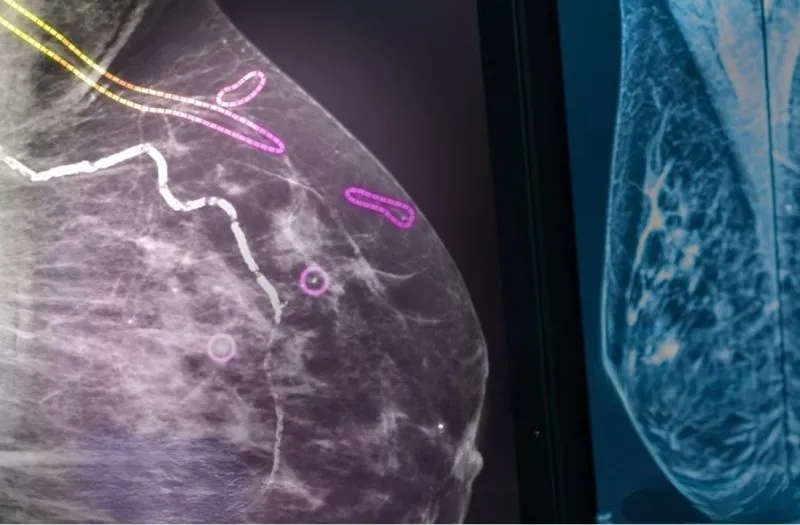
On mammography images, dense tissue appears white. Unfortunately, many breast cancers also appear white. This can make it harder to distinguish suspicious areas from surrounding tissue.
Dr. Sean Raj often emphasizes that breast density affects not only risk but also detection. In some cases, dense breast tissue can mask cancers that might otherwise be easier to identify.
That’s one reason why it’s important to understand your breast density and discuss personalized screening recommendations with your healthcare provider.
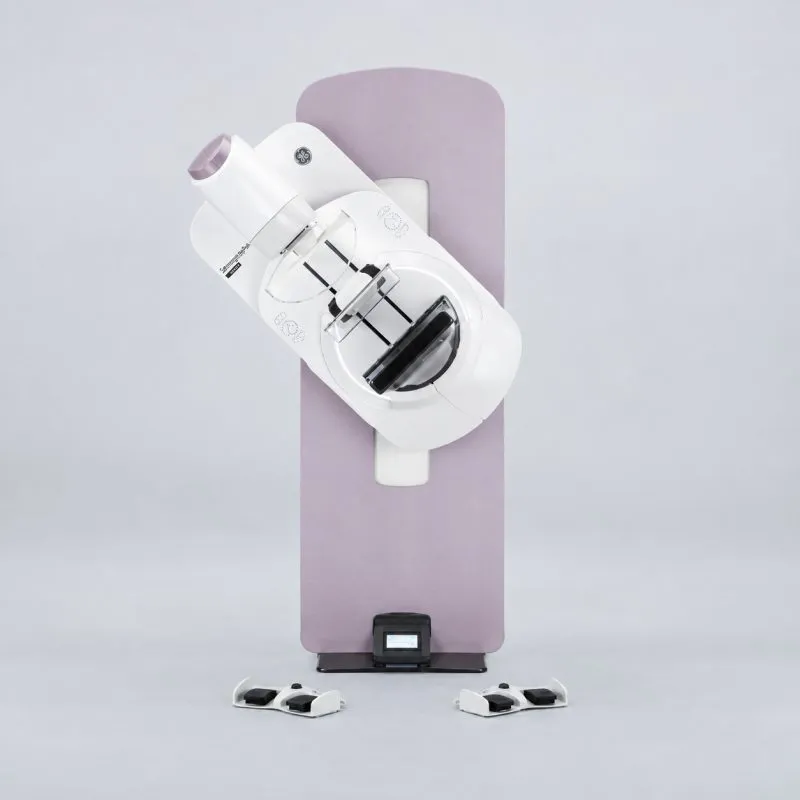
Advances in imaging technology, including 3D mammography and AI-enhanced imaging, continue to improve cancer detection for women with dense breasts.
What kind of screening is recommended for dense breasts?
Women with dense breasts should continue getting routine mammograms, but some may benefit from additional imaging.
Depending on your breast density and individual risk factors, your healthcare provider may recommend supplemental breast screening.
Additional screening options may include:
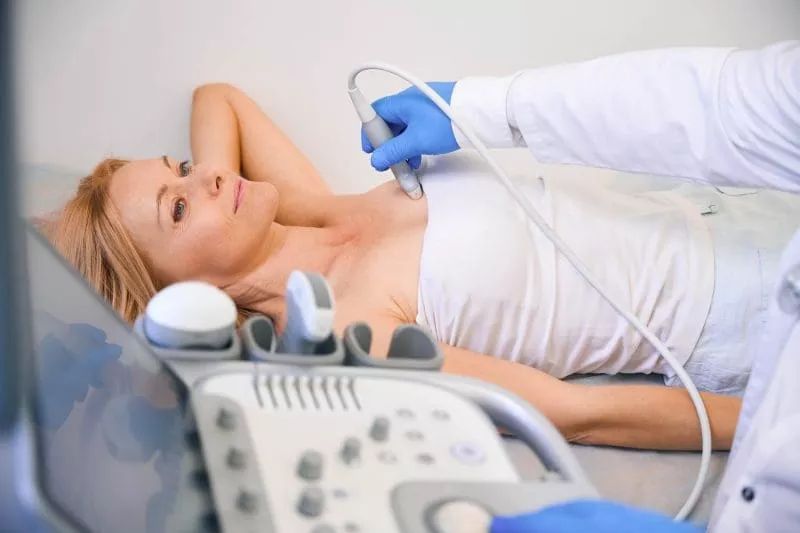
- Breast ultrasound
- Breast MRI
- Contrast-enhanced mammography
- Other advanced imaging technologies
The goal of dense breast screening is to improve the likelihood of detecting cancer as early as possible, particularly when dense tissue may make abnormalities harder to see on standard mammograms.
The right screening plan varies from person to person, which is why discussing your individual risk profile with your doctor is so important.
Why knowing your breast density matters
Breast density is an important piece of information, not a reason to panic.
Knowing whether you have dense breasts can help you better understand your breast cancer risk, have informed conversations with your healthcare provider, and determine whether supplemental screening may be appropriate.
Combined with annual mammograms and a personalized screening plan, understanding your breast density can help support earlier detection and more proactive care.
The bottom line on dense breasts
Dense breasts are common, but they are also important to understand.
Dense breast tissue can slightly increase breast cancer risk and make cancer harder to detect on mammograms. That’s why women with dense breasts should stay current with recommended screenings and talk with their healthcare provider about whether additional imaging may be beneficial.
The more you know about your breast health, the more empowered you are to make informed decisions about screening and prevention.
If you’re due for a mammogram, don’t wait. Early detection remains one of the most powerful tools for protecting your health.
Want to hear more from Dr. Sean Raj? Listen to Episode 2 of More Life for Living, where he explains dense breasts, mammogram myths, and what women should know about breast cancer screening.
If you have dense breasts, understanding your screening options matters. SimonMed offers advanced breast imaging, including 3D mammography and AI-enhanced tools designed to support earlier detection and more personalized insights