When you might need a scan earlier
Understanding osteopenia/low bone density: the early warning signs
What a DEXA scan actually measures
When it’s time to act
How often should you get a scan?
A smarter approach to bone health
Most people don’t think about bone health until their 60s—if they think of it at all. The problem? Bone loss doesn’t wait, and it doesn’t warn you either. It starts earlier, progresses quietly, and often goes unnoticed.
Bone density naturally declines over time, and by the time risk becomes visible, changes may already be well underway. Current guidelines often recommend starting routine screening at age 65 for women and 70 for men—but these recommendations are based on population-level risk, not individual factors.
Did you know that 1 in 2 women and 1 in 4 men over the age of 50 will experience a fracture related to osteoporosis? But age alone doesn’t always tell the full story. A DEXA scan measures bone density (quantity), while TBS, or Trabecular Bone Score, evaluates bone structure (quality). Together, DEXA and TBS can reveal the complete picture of your bone health and show any changes when they’re easier to manage and even prevent. Earlier screening is ultimately the smarter, more proactive choice.
When you might need a scan earlier
Today, we understand much more about how bone health, muscle mass, and overall longevity are connected. For many people, waiting until your mid-60s may mean missing an opportunity to detect changes earlier, when you can have more options.
As Dr. Angela Fried says, “Strong bones keep us moving, active, and independent…When it comes to bone health, early action makes all the difference.”
You may benefit from earlier screening if you have:
- Hormonal & life stage factors
- Postmenopausal status (especially without hormone therapy)
- Medical history
- Rheumatoid arthritis or thyroid disorders
- Long-term steroid use (such as prednisone)
- Family & body profile
- Family history of osteoporosis or hip fractures
- Low body weight or a smaller frame
- Lifestyle factors
- Smoking or heavy alcohol use
- Clinical signals
- Prior fractures from a minor injury
These factors can accelerate bone loss, sometimes years before symptoms appear.
Understanding osteopenia/low bone density: the early warning signs
Most people are familiar with osteoporosis. Fewer know about osteopenia, or low bone density, which is the stage that comes before it.
Osteopenia isn’t just a label—it’s a window of opportunity.
It’s the point where bone loss is measurable, but still highly modifiable.
Osteopenia means your bone density is lower than normal, but not yet at the level of osteoporosis. Think of it as an early signal; osteopenia is where you still have time to change your trajectory.
What a DEXA scan actually measures
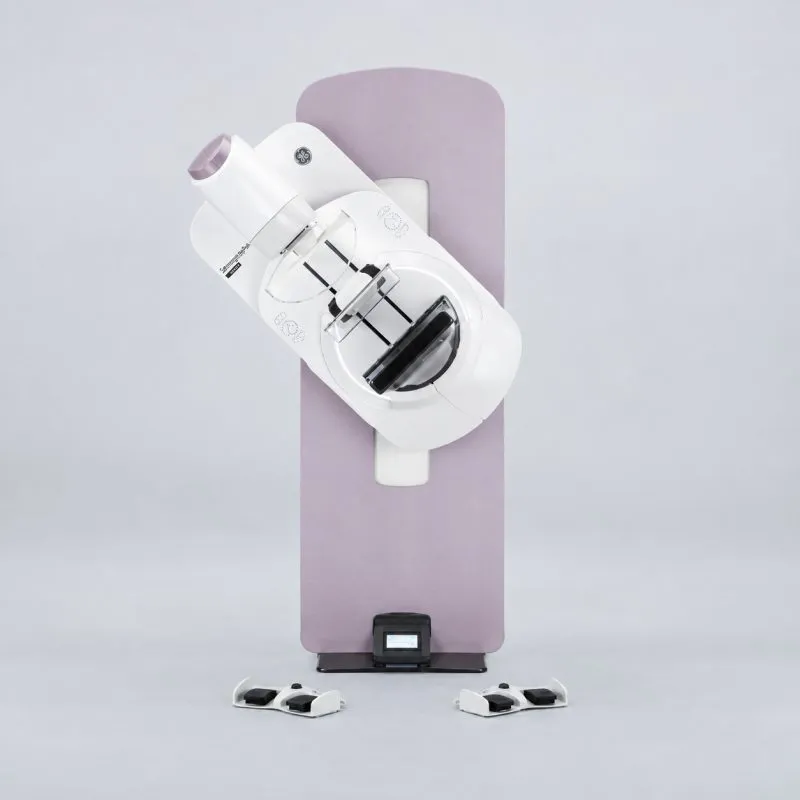
A standard DEXA scan measures bone density and can detect osteopenia early, giving you and your doctor the opportunity to:
- Improve nutrition (like calcium and vitamin D intake)
- Adjust lifestyle habits
- Strengthen muscle and bone through targeted exercise
- Monitor changes over time
But more advanced assessments can go further—evaluating:
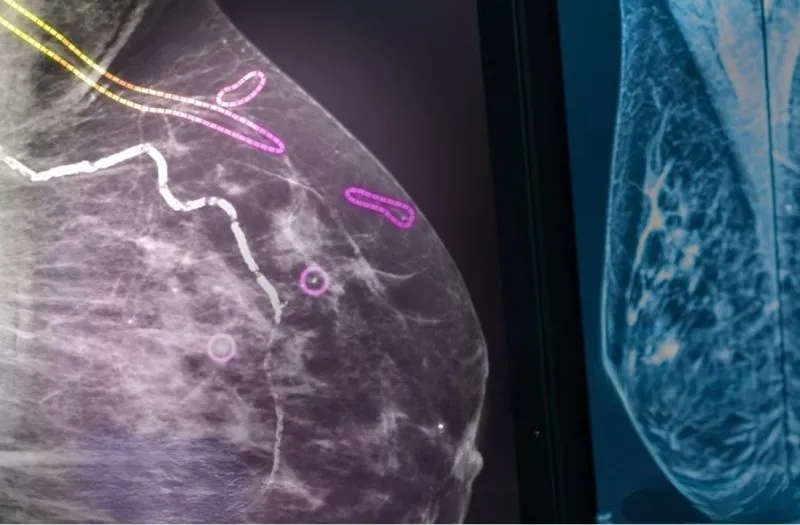
- Bone quality through Trabecular Bone Score (TBS)
- Body composition, including muscle mass and fat distribution
This matters because bone loss doesn’t happen in isolation. It’s closely tied to muscle, metabolism, and overall resilience. Adding a TBS analysis is fast, painless, and helps give you a more comprehensive overview of your bone strength to identify risk earlier and guide prevention and treatment. It can help reveal structural weaknesses that may go unnoticed with only a DEXA scan.
When it’s time to act
You don’t need to wait for a milestone birthday to take action.
A DEXA + TBS scan may make sense now if:
- You’ve experienced a fracture from a minor fall or injury
- You’ve noticed a loss of height or posture changes
- You have multiple risk factors for bone loss
- You’re entering menopause
- You’re focused on long-term health, fitness, or longevity
How often should you get a scan?
It depends on your baseline results and risk level.
- Normal bone density: every 3–5 years
- Osteopenia: every 2–3 years
- Higher risk or osteoporosis: as recommended by your physician
A smarter approach to bone health
For decades, bone density testing has been framed as something you do later in life.
But today, we know better. Bone health is part of a bigger picture: one that includes strength, mobility, independence, and longevity. And the earlier you understand it, the more you can influence it.
At SimonMed, we use advanced imaging and AI-enhanced technologies to detect changes earlier and more precisely, so you can make informed decisions about your health sooner. A DEXA + TBS scan isn’t just about diagnosing osteoporosis. It’s about gaining a deeper understanding of how your body is changing—before it limits how you live.
Because when you have that insight earlier, you don’t just react. You have the chance to stay strong, active, and independent for longer.
While most people are told to start screening at 65, many benefit from starting earlier, especially if they want to take a more proactive approach to their health. When it comes to bone health, waiting for symptoms can mean waiting too long.
A scan today can give you the insight to protect your future.
Sources:
https://simonmed.com/patients/services/dexa-bone-density/
https://www.uconnhealth.org/imaging-radiology/services-specialties/dexa-bone-density-scan
https://medlineplus.gov/lab-tests/bone-density-scan
https://my.clevelandclinic.org/health/diagnostics/10683-dexa-dxa-scan-bone-density-test
https://bidmc.org/services/orthopedics/diagnostic-tests/bone-density-scan
Medically reviewed by Dr. Barry Sadegi
Medically reviewed by Dr. Barry Sadegi